
The situation is grim! In the era of wafer foundry 2.0, Chinese enterprises only account for 10% of the global market share
Since TSMC innovatively separated chip design from manufacturing, the era of Foundry 1.0 has been established.
In the era of wafer foundry 1.0, the primary focus was on the independent segment of chip foundry, leading to the ranking of global chip foundry market share. In this era, TSMC reigned supreme.
Because TSMC alone has secured over 70% of the market share in chip foundry services, monopolizing chip orders below 7nm, leaving it with no competitors.
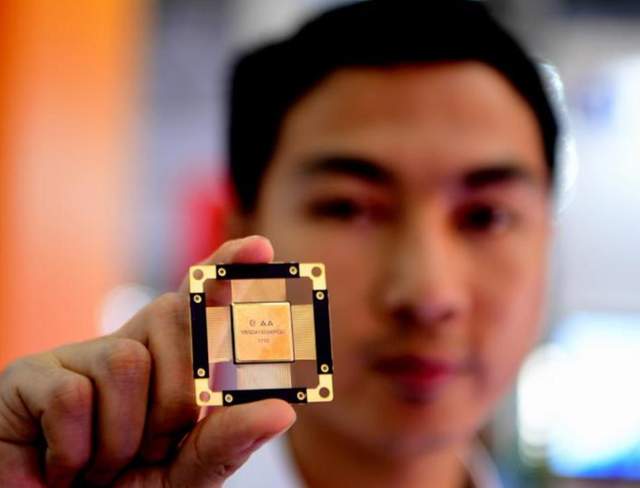
However, with the physical limits of transistor miniaturization now being reached, the era of pure foundry services has become outdated, as various technologies are becoming increasingly important in the chip production process.
Some organizations have thus proposed the era of wafer foundry 2.0. Unlike the 1.0 era, which only focused on chip manufacturing, the 2.0 era integrates wafer manufacturing, advanced packaging, testing, and even the manufacturing of photomasks, all of which are considered crucial links in the chip industry chain and should not be overlooked.
There are even more enterprises participating here, including not only pure foundry companies like TSMC, but also IDM companies like Intel, as well as packaging companies like ASE. All of them belong to key links.
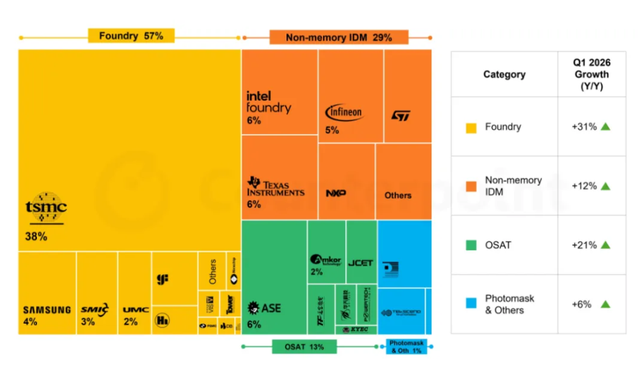
The distribution of the entire market is illustrated in the figure above. Although wafer foundry accounts for a significant proportion, it is no longer the only one.
In the era of Foundry 2.0, chip foundries, also known as Foundry, actually accounted for only about 57% of the market share. Meanwhile, IDM enterprises (integrated device manufacturers) that do not produce memory accounted for about 29%, and OSAT (Outsourced Semiconductor Assembly and Test) packaging enterprises accounted for about 13%. Additionally, photomask suppliers accounted for about 1%.
Among them, TSMC accounts for about 38% of all segments, still being the leading player, but not as exaggerated as 75% in the pure wafer foundry field.
Samsung accounted for about 4%, Semiconductor Manufacturing International Corporation (Smic) for about 3%, Intel for about 6%, Infineon for about 5%, and Texas Instruments for about 6%. Packaging company Advanced Semiconductor Engineering (ASE) also accounted for about 6%.
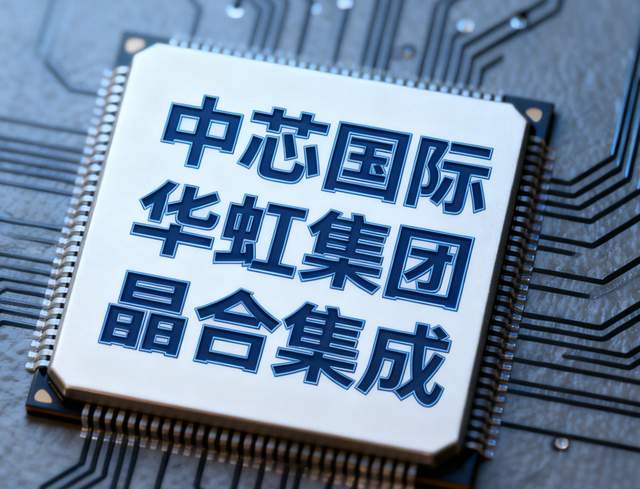
Taken together, all Chinese enterprises, including the three major foundry companies Semiconductor Manufacturing International Corporation (Smic), Hua Hong NEC Electronics, and Jinghe Integrated Circuit, as well as packaging companies such as Jiangsu Changjiang Electronics Technology Co., Ltd., Tianshui Huatian Electronics Technology Co., Ltd., and Tongfu Microelectronics, account for only about 10% of the entire industry chain.
It can be seen that I am not trying to dampen the spirits. In the key core aspects of chip production, we indeed have a lot of room for improvement. Although we have made considerable progress in recent years, our strength is still far behind that of the giants, and we need to continue to work hard.
mail:wuping@csc-ic.com ; angel@csc-ic.com

right 2023. Chinaic Technology Co. ,Ltd. All Rights Reserved 粤ICP备13001812号
