
The rise of Chinese manufacturers has broken the monopoly, and the memory chips have cooled down, finally no longer skyrocketing!
In fact, as early as March this year, many media outlets reported that among memory chips, only HBM may continue to rise in price, while others may not see much further increase.
At that time, many people were skeptical, thinking that with the surge in popularity of AI, manufacturers' production capacity was insufficient, so how could they not raise prices.
But in fact, if we look at the market, over two months have passed since March, and have memory chips, especially the memory modules that have seen the sharpest increase, seen any price hikes? No, in fact, some specifications of memory have even fallen significantly, with a decline of over 20%.
Why is it like this? Actually, there are two major reasons.
Firstly, currently, apart from the demand for AI, the demand for other consumer electronic products has declined across the board. Just look at the current situation of mobile phones, computers, game consoles, and so on. It's quite miserable.
The institution predicts that the sales of mobile phones will decline by more than 15% in 2026, and the sales of computers will also decline by more than 15%, especially DIY computers, which have already declined by more than 30% in the first half of the year. The shipments of motherboards, SSDs, and GPUs have even plummeted by 40%.
Since consumers are simply not willing to pay, the sales of these products have plummeted, naturally leading to a decline in demand for memory. So where is the incentive for a price increase?
Currently, the memory actually consumed by AI accounts for less than half of all memory demand. No matter how powerful AI becomes, it cannot continue to drive up memory prices while other products are all experiencing a decline.
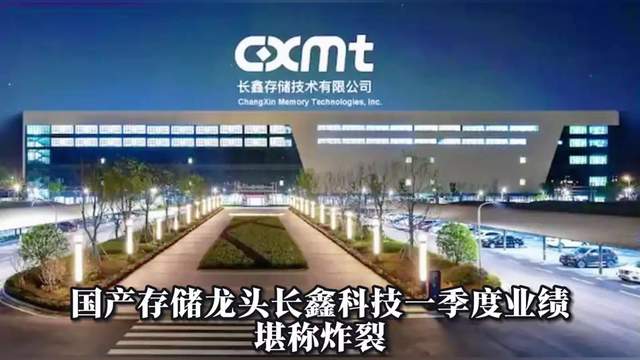
The second reason, which is actually the key point, is that China's memory chip industry has risen, breaking the pricing power of the three major companies: Samsung, SK Hynix, and Micron. It is no longer possible for them to maintain a monopoly on prices.
In terms of DRAM memory, Changxin Memory Technology has now firmly established itself as the fourth largest player globally, with a market share of around 8-10% in the first quarter of 2026. Although there is still a gap compared to companies like Samsung, a market share of up to 10% already grants a certain degree of influence.
When setting prices, Samsung and SK Hynix cannot act arbitrarily and set prices as they please. Without a comprehensive expansion of demand and a less tight production capacity, they dare not raise prices at all.
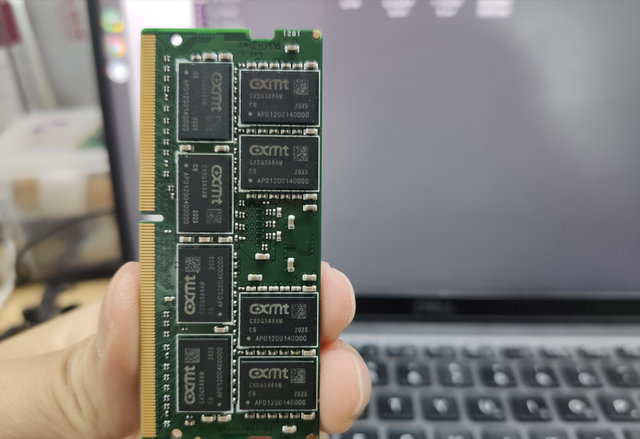
In addition, according to media reports, Changxin is currently expanding its production capacity, and its production capacity may double in the next 1-2 years. By then, Changxin's market share could reach as high as 20%. This will make it even more difficult for companies like Samsung to monopolize pricing power.
So to some extent, we really have to thank the rise of Chinese enterprises in the memory chip industry for preventing Samsung and its peers from raising prices recklessly.
According to the habit of Chinese enterprises, once they master a certain technology, they are likely to make it cheap. So it is probably difficult for this storage technology to rise unilaterally. It is feared that it will continue to decline in the future. This is the pressure on Chinese enterprises.
mail:wuping@csc-ic.com ; angel@csc-ic.com

right 2023. Chinaic Technology Co. ,Ltd. All Rights Reserved 粤ICP备13001812号
